40 Motorcycle Theory Questions 2026: The Ultimate Test for Riders!
Your complete guide to mastering the road rules specific to two-wheelers and becoming an expert rider.
2026 Edition
Are you a motorcycle enthusiast, an aspiring rider, or simply looking to refresh your knowledge for safer riding? The rules of the road, especially those applied to two-wheelers, are a fundamental pillar. Failing to master them exposes you to unnecessary risks and penalties.
But how do you ensure you're up-to-date with the latest regulations and best riding practices? The answer is right here! Dive into our exclusive 40-question motorcycle theory quiz, specially designed for the 2026 edition. This isn't just a simple test; it's a powerful learning tool that will help you identify and fill your knowledge gaps. Ready to take on the challenge and become an exemplary rider?
Launch the Quiz now and test your knowledge!
Motorcycle Theory Prep ETM 2026 - Master Your Ride!
Test your knowledge with these 40 essential motorcycle theory questions. Perfect for ETM 2026 preparation! Earn XP and become a road master!
Table of Contents
1. Rider's Gear: Your Second Skin
Motorcycle gear isn't optional; it's a vital necessity. It protects you in case of a fall and makes you more visible. Ignoring these rules means putting your life at risk.
1.1. Mandatory Gear: Safety First
Every element of your riding outfit plays a crucial role.
Key Question:
What mandatory gear must a motorcycle rider and passenger wear?
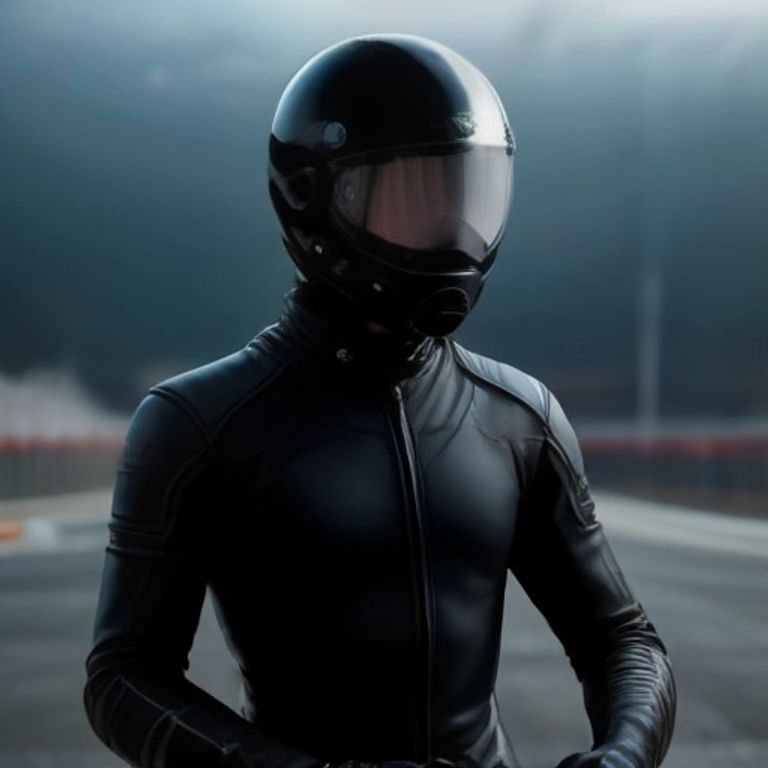
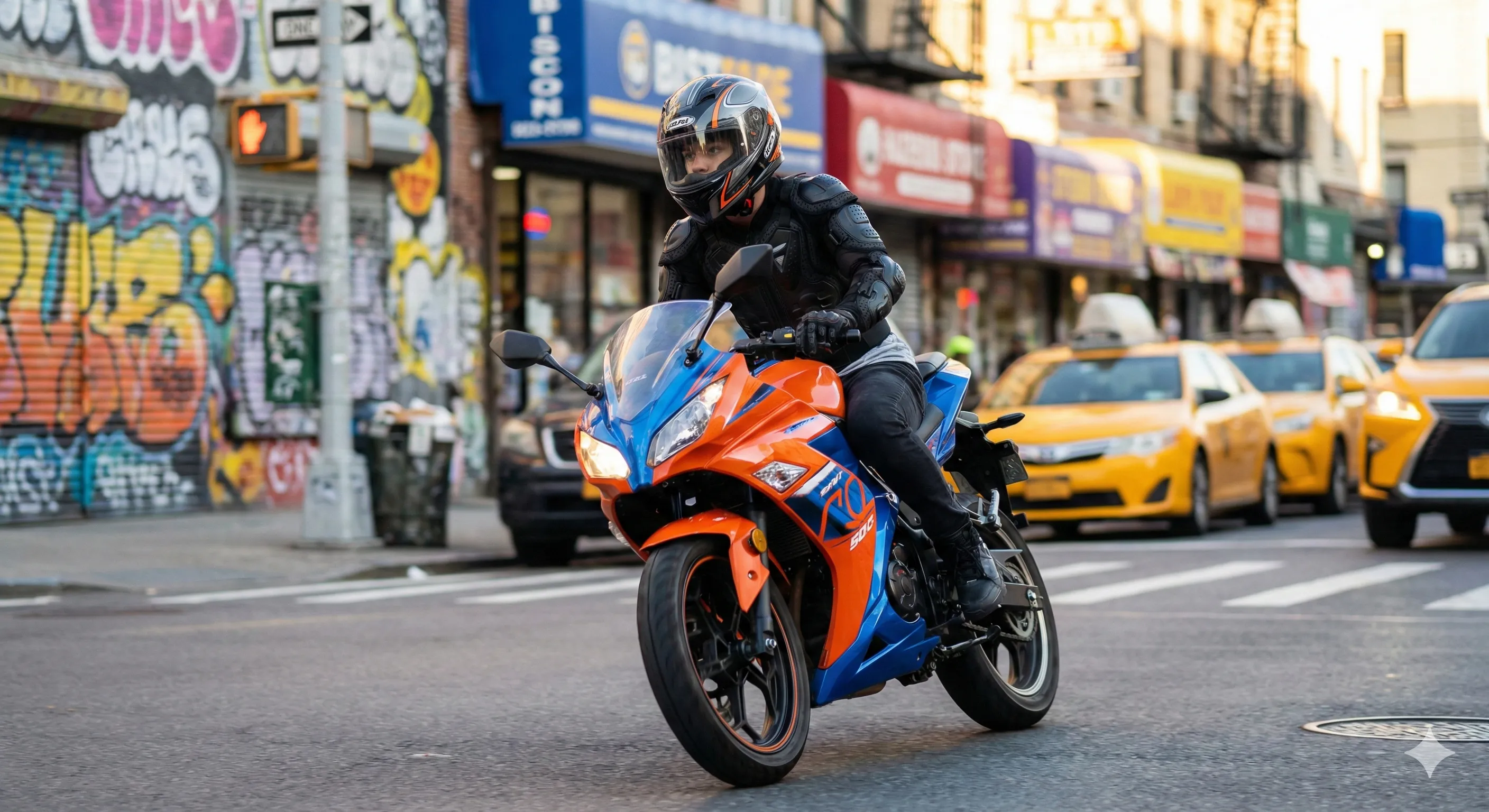
Answer: An approved helmet, approved gloves, a jacket, pants, and sturdy, ankle-covering footwear are all mandatory. Each protects an essential part of your body.
- Helmet: Indispensable, it must be approved (ECE 22.05 or 22.06 standard) and fit snugly.
- Gloves: Approved, they protect your hands in a crash and improve grip on the handlebars.
- Jacket: Abrasion-resistant (leather or reinforced textile), with protectors at the elbows and shoulders.
- Pants: Ideally reinforced motorcycle pants, or at minimum, thick denim jeans.
- Ankle-Covering Footwear: They protect your ankles and feet, preventing twists.
1.2. Visibility: Be Seen, Be Safe
A motorcycle's small size makes it less noticeable. It's your responsibility to be visible.
Key Question:
Why is it important for motorcyclists to be particularly visible?
Answer: Motorcycles' smaller size makes them less perceptible to other road users. Good visibility (bright colors, headlights on, hi-vis vest if needed) is vital for safety, as it reduces the risk of accidents due to other drivers' lack of attention.
- Bright Colors: Light or fluorescent clothing significantly increases your visibility, especially during the day.
- Lights: Always ride with your low beam headlights on, even in broad daylight.
- Hi-Vis Vest: Mandatory to keep within reach, it must be worn in case of an emergency stop to signal your presence.
2. Motorcycle-Specific Road Rules
Beyond general rules, certain provisions apply specifically to two-wheelers. Knowing them is imperative.
2.1. Following Distances and Lane Filtering
These rules are often misunderstood or misapplied.
Key Question:
What is the minimum safe following distance to maintain behind a vehicle in urban areas, in dry conditions?
Answer: The safe following distance should always be at least 2 seconds, regardless of speed and conditions. This gives you time to react and brake safely.
- Lane Filtering (Splitting): While legal in some regions, lane filtering is allowed only under strict conditions (e.g., dense, slow-moving traffic, limited speed differential). Always remain vigilant and understand local regulations; it's not an absolute right.
2.2. Licenses and Signaling
Understanding road signs and license categories is fundamental.
Key Question:
What is the minimum age to get an A1 license (light motorcycle) and an A2 / LAMS license (intermediate power motorcycle)?
Answer: The A1 license (for motorcycles up to 125cc) is generally accessible from 16 years old. The A2 / LAMS (Learner Approved Motorcycle Scheme) license (for motorcycles up to 35 kW / 47.5 hp) is typically accessible from 18 years old. The unrestricted A license is accessible after 2 years on an A2/LAMS license and additional training, or directly at 24 years old after passing the full exam.
- Specific Signs: A triangular sign with a motorcycle warns of a danger related to motorcyclists. A round blue sign with a white motorcycle indicates a lane reserved for and mandatory for motorcycles.
3. Safety and Riding: The Motorcyclist's Fundamentals
Riding a motorcycle demands impeccable vigilance and technique.
3.1. Trajectory and Vision Control
Your vision is your best ally.
Key Question:
How should a motorcycle corner be approached for optimal safety and what is the importance of vision?
Answer: Approaching a corner safely involves looking far ahead towards the exit, braking before entry, leaning the motorcycle, and progressively re-accelerating on exit to stabilize. Vision is fundamental: you go where you look!
3.2. Braking and Grip
Understanding brakes and grip conditions is vital.
Key Question:
What is the primary role of ABS and how should you use the front and rear brakes?
Answer: ABS (Anti-lock Braking System) prevents wheels from locking, crucial for maintaining stability and steering during intense braking. Combined use of the front brake (most effective) and rear brake (stabilizer) allows for shorter and more stable braking.
- Engine Braking: Allows the motorcycle to slow down by downshifting, preserving the brakes and offering better control.
- Challenging Conditions: Rain, black ice, gravel... all reduce grip. Adapt your speed and be smooth with controls. Potholes are also a major hazard.
3.3. Risk and Incident Management
Anticipating and knowing how to react is key.
Key Question:
How should you react to an unexpected obstacle and what should you do in case of an accident?
Answer: When facing an obstacle, look where you want to go, brake hard and straight, then attempt to swerve if space allows. In case of an accident, apply the P.A.S. rule (Protect, Alert, Secure). Never remove a helmet from an injured person and do not move the motorcycle for evidence.
- Overtaking: A risky maneuver, demanding extreme vigilance and preparation.
- Fatigue, Alcohol, Drugs: Severely impair your abilities. Take regular breaks and never ride under the influence.
- Glare: Slow down, look at the right edge of the road to maintain a reference point, and avoid staring at the light source.
4. Maintenance and Knowledge of Your Machine
A well-maintained motorcycle is a safe motorcycle. Knowing how it works is essential.
4.1. Essential Checks
Regular checks prevent breakdowns and accidents.
Key Question:
Why is it crucial to regularly check tire pressure and engine oil level?
Answer: Adequate tire pressure is essential for handling, grip, and longevity. A correct oil level is vital for lubrication and engine health. Worn or under-inflated tires are a major cause of accidents.
- Drive Chain: Regularly check its tension, lubrication, and overall condition.
- Brake Fluid: Any leak is extremely dangerous and requires an immediate stop.
- Suspension: Essential for safety and comfort. It keeps the wheels on the ground, ensuring grip and stability. Check its proper functioning.
4.2. Knowing Your Bike and Its Limits
Every motorcycle is unique.
Key Question:
Why is it important to thoroughly know your motorcycle before hitting the road and what is the danger of a non-approved exhaust pipe?
Answer: Knowing your motorcycle (braking, power, handling) is fundamental for safety and control. A non-approved exhaust pipe is illegal, subject to penalties, and does not comply with environmental and noise standards.
- Cargo: Improperly secured or excessively heavy cargo can severely affect stability and handling.
5. The Passenger: An Essential Teammate
The presence of a passenger changes the motorcycle's behavior.
5.1. Positioning and Communication
A well-informed passenger is an asset.
Key Question:
How should a passenger be positioned on a motorcycle?
Answer: The passenger should be well-seated, with their feet on the footpegs, and hold on firmly (to the rider or grab handles) to avoid unbalancing the motorcycle. They should follow the rider's movements smoothly.
- Passenger Gear: Passengers are subject to the same mandatory gear requirements as the rider.
🏍️ Équipez-vous au meilleur prix !
Profitez des meilleures offres du moment sur les équipements et accessoires moto grâce aux bons plans sélectionnés par 2ROUE.
🔥 Découvrir les Promos Moto sur AmazonConclusion: Become an Expert and Safe Rider in 2026
Congratulations! You've navigated the 40 fundamental theory questions that differentiate a mere driver from a savvy motorcyclist. The world of motorcycling is exhilarating, but it demands respect, knowledge, and vigilance. By mastering these aspects, you're not just passing an exam; you're forging your safety and that of other road users.
Never forget: the road is a shared space where every detail counts. Continue to learn, stay informed, and practice with humility. That's the secret to a lasting passion without unnecessary risks.
So, what was your quiz score? Share your results and thoughts in the comments below. And if you haven't taken the challenge yet, now's the time!
Not tested yet? Launch the Quiz 🚦🚦